
EN

With the increasing number of explosion incidents in China, relevant authorities are comprehensively strengthening workplace safety in enterprises. Upholding the philosophy of "Life First, Safety Development," our company invited a lecturer from Suzhou Suneng Gas Co., Ltd. on April 1, 2019, to conduct training on the liquefied natural gas (LNG) installed outside our die-casting workshop.
Safety Production Knowledge Training
I. Basic Characteristics of Liquefied Natural Gas (LNG)
Liquefied Natural Gas (LNG) is natural gas that has been purified and cryogenically cooled into an ultra-low-temperature liquid at -162°C. Due to deep purification and liquefaction, LNG achieves nearly 100% purity, and its calorific value after regasification is typically 6%-10% higher than that of conventional natural gas.
LNG is colorless, odorless, non-toxic, and non-corrosive, with stable composition, excellent combustion performance, high safety, and environmental friendliness, making it a truly green energy source.
II. Safety Requirements for LNG Applications
1. Fire Safety
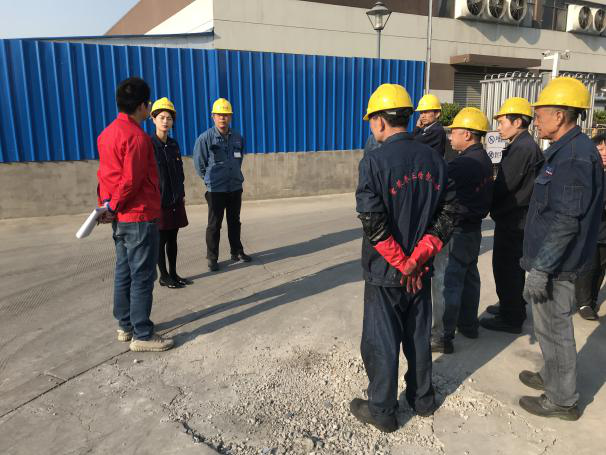
① Unauthorized personnel, including children, are prohibited from entering the LNG station.
② Open flames must maintain a safe distance from the station and should not approach it.
③ Mobile phones, lighters, and other ignition sources are strictly prohibited inside the station.
④ Operators must wear protective gear and anti-static workwear.
⑤ Copper tools must be used to prevent spark generation.
⑥ Fire extinguishers must be properly installed, regularly inspected, and maintained in good condition.
2. Gas Supply Operations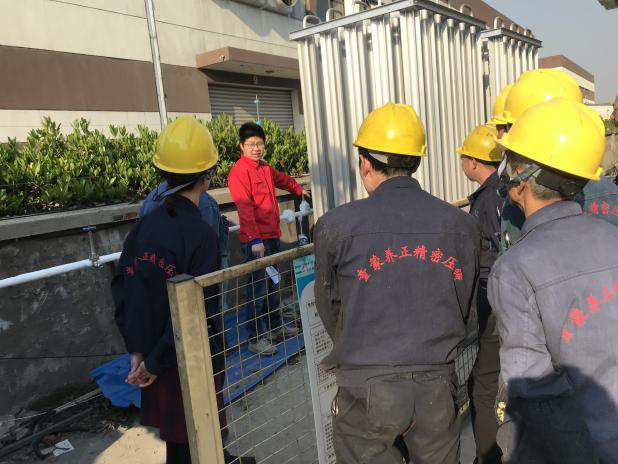
① Operators must undergo professional training and obtain hazardous materials operation certificates issued by technical supervision authorities.
② Plant managers and operators must be trained in emergency response procedures and conduct regular drills.
③ Regular inspections:
During gas usage: Inspect every hour.
During non-operational periods: Inspect every 8 hours.
④ Conduct routine equipment maintenance, promptly fix leaks, and ensure safety components undergo annual inspections as required.
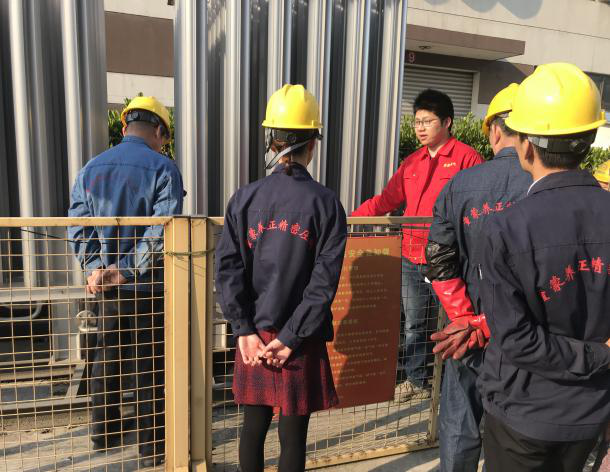
III. Emergency Response Plan for Accidents
1. Safety Precautions at the Accident Scene
① In case of a major LNG leak:
Do not operate any electrical switches within the station.
Avoid using telecommunication devices (e.g., phones, radios) near the leak.
Extinguish all ignition sources in the surrounding area if possible.
② Restrict access to the accident site:
Establish a security perimeter around the station.
Evacuate personnel upwind to a safe location.
2. Emergency Handling Procedures
① If a tank valve ruptures and leaks:
Open the tank’s vapor vent valve to release pressure and reduce leakage.
Apply water spray to freeze and seal the leak (if possible).
If freezing is ineffective, discharge LNG into the atmosphere as a last resort.
② If an external fire threatens the station:
Monitor the fire closely if it is outside the safe zone.
If the fire approaches the tank, immediately use firewater to cool and protect the tank.
If firefighting resources are insufficient, call 119 immediately for emergency support.
Training Summary
To reinforce workplace safety awareness and emphasize the importance of LNG safety, this training was conducted for all employees in the die-casting workshop. During the session, staff paid close attention, actively engaged in discussions, and deepened their understanding of LNG properties and safety protocols.


